Updated
By Jason Ansell
AI-Generated Content: The Ethics and Risks of Synthetic Media in 2025
AI-generated content is revolutionizing art, journalism, entertainment, and social media. But as AI deepfakes, synthetic news, and AI art become more advanced, the ethical implications and risks are growing. 🚀 How is AI-generated content reshaping digital media in 2025?🔎 What are the biggest ethical concerns, and how can we regulate synthetic media? Let’s dive into […]
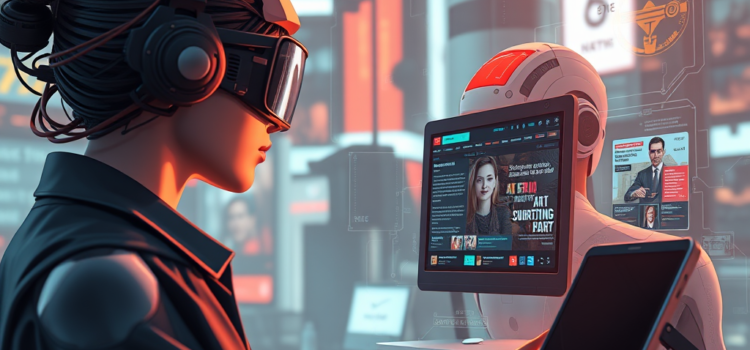
AI-generated content is revolutionizing art, journalism, entertainment, and social media. But as AI deepfakes, synthetic news, and AI art become more advanced, the ethical implications and risks are growing.
🚀 How is AI-generated content reshaping digital media in 2025?
🔎 What are the biggest ethical concerns, and how can we regulate synthetic media?
Let’s dive into the pros, cons, and future implications of AI-generated content.
1. The Rise of AI-Generated Content: From Art to Journalism
AI-generated content is no longer a futuristic concept—it’s everywhere. Deep learning models like OpenAI’s ChatGPT, Google Gemini, and Midjourney are creating hyper-realistic content that blurs the line between human and machine.
Where AI is Transforming Content in 2025:
🎨 AI Art & Design: Tools like Midjourney, Stable Diffusion, and DALL·E are generating professional-grade digital art.
📰 AI-Generated News & Blogs: AI-written articles are populating media outlets, raising concerns about journalistic integrity.
🎬 Deepfake Videos & Voice Cloning: AI-generated voices and faces are being used in entertainment, politics, and fraud.
🎧 AI-Generated Music & Audio: AI-powered tools like Udio and Suno are composing original music and imitating famous voices.
📌 Key Takeaway: AI-generated content is cheaper, faster, and more scalable than human-created content, but it comes with ethical dilemmas.
2. Ethical Concerns of AI-Generated Content
🔹 1. Deepfakes & Misinformation
- AI-generated videos can fabricate events, impersonate politicians, or create false narratives.
- Example: Deepfake politicians spreading propaganda in elections.
- Risk: Destabilizing democracy and eroding public trust in media.
📌 Solution: AI watermarks & blockchain verification for content authenticity.
🔹 2. AI-Generated News & Fake Journalism
- AI can write convincing but misleading news articles, spreading disinformation at scale.
- Example: AI-generated political blogs shaping public opinion with biased narratives.
- Risk: Erosion of journalistic ethics and trust in media sources.
📌 Solution: Require human oversight and AI transparency labels in journalism.
🔹 3. AI-Generated Art & Copyright Issues
- AI tools train on human-made art without permission, raising intellectual property concerns.
- Example: Artists suing AI companies for using their work without consent.
- Risk: Devaluation of human artists and exploitation of creative labor.
📌 Solution: New copyright laws and AI training data regulations.
🔹 4. Synthetic Voices & Music: Fraud & Privacy Risks
- AI-generated voices can mimic anyone, leading to fraud and identity theft.
- Example: Scammers using AI to impersonate family members in emergency scams.
- Risk: AI-generated music imitating artists without permission, violating copyright.
📌 Solution: Legal protections for voice and identity rights in AI-generated media.
3. AI Regulation: Can We Control Synthetic Media?
Governments and tech companies are racing to create regulations around AI-generated content.
🔹 How AI-Generated Content is Being Regulated in 2025:
✅ AI Watermarking & Metadata: Google, OpenAI, and Adobe use digital fingerprints to identify AI-created content.
✅ AI Content Labeling: Social media platforms label synthetic media to reduce misinformation.
✅ Deepfake Bans & Legal Penalties: Deepfake fraud and impersonation are now illegal in many countries.
✅ Ethical AI Development Guidelines: Companies are creating ethical frameworks for AI-generated media.
📌 Key Takeaway: While AI regulations are improving, bad actors still find ways to exploit synthetic media.
4. The Future of AI-Generated Content: What’s Next?
🚀 What’s Coming in the Next 5 Years?
✅ AI-generated influencers & virtual celebrities – Fully synthetic social media personalities.
✅ Hyper-realistic deepfake movies & AI-generated scripts – Hollywood is embracing AI-generated storytelling.
✅ AI-created virtual worlds & metaverse content – AI will automate entire game environments & 3D designs.
✅ AI-powered political campaigns – Synthetic candidates & AI-driven propaganda wars.
📌 The Big Question: Will AI replace human creativity, or will it become a tool that enhances human content creation?
WTF Does It All Mean?
🔥 AI-generated content is changing the way we consume news, art, and entertainment.
✅ Deepfakes and synthetic media raise serious ethical and security concerns.
✅ Governments and tech companies are working to regulate AI-generated content.
✅ The balance between AI-powered creativity and human authorship is still evolving.
🚀 Will AI-generated content be a force for good, or will it fuel misinformation and digital fraud? Let’s discuss in the comments!
For more AI, blockchain, and tech insights, visit jasonansell.ca.
Share this page