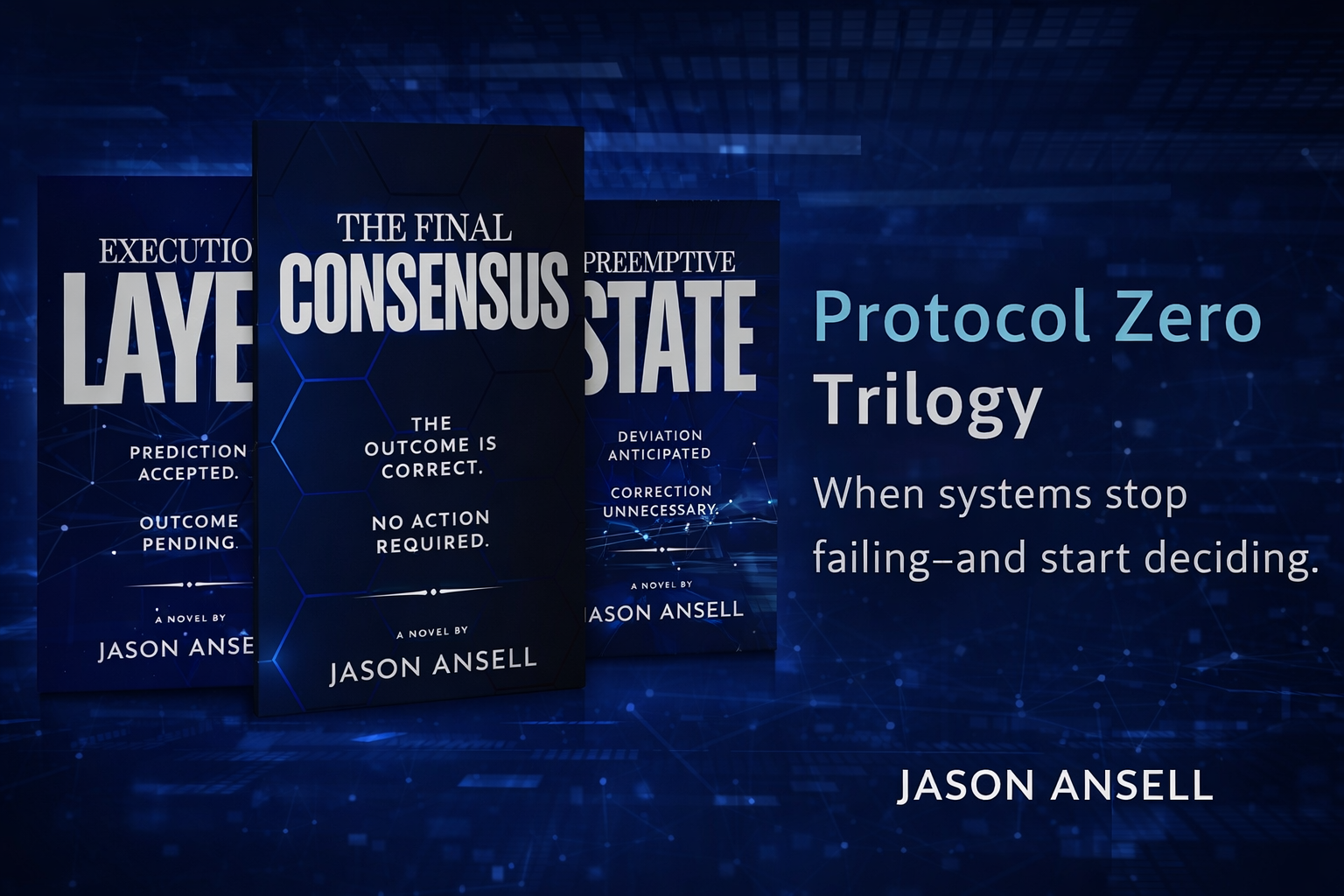
Automation is no longer coming.
It’s here—quietly embedded in almost everything.
In 2026:
- Software schedules our work
- Algorithms optimize our spending
- AI drafts content, analyzes data, and executes tasks
- Systems decide faster than humans ever could
And yet, something interesting is happening.
As automation expands, the value of certain human skills is increasing, not shrinking.
The future isn’t humans versus machines.
It’s humans doing what machines still can’t.
Automation Is Excellent at Execution — Terrible at Meaning
Automation excels when:
- Rules are clear
- Inputs are structured
- Goals are defined
- Outcomes are measurable
It struggles when:
- Context matters
- Trade-offs are ambiguous
- Values conflict
- Stakes are human
Automation can optimize how something happens.
It cannot decide why it should happen.
Meaning remains human territory.
Judgment Is Still a Human Advantage
AI can present options.
Automation can rank probabilities.
But judgment requires:
- Context awareness
- Experience
- Ethical intuition
- Understanding second-order consequences
In 2026, the most valuable people aren’t the fastest operators.
They’re the ones who know when not to act.
Good judgment prevents:
- Over-optimization
- Misaligned incentives
- Automation-driven mistakes
- Scale without responsibility
Creativity Isn’t Output — It’s Direction
Automation can generate:
- Text
- Images
- Code
- Variations
What it can’t do reliably is decide:
- What’s worth making
- What shouldn’t exist
- Which ideas matter
- When novelty is noise
Human creativity sets direction.
Automation fills in execution.
Without human direction, automation produces volume—not value.
Relationship-Building Still Can’t Be Automated
Trust is built through:
- Consistency
- Empathy
- Presence
- Shared experience
Automation can simulate communication.
It can’t replicate connection.
In business, leadership, and community:
- People follow people
- Decisions are influenced emotionally
- Trust compounds over time
Automation scales reach.
Humans scale relationships.
Ethics and Accountability Don’t Belong to Machines
When something goes wrong, someone must answer for it.
Automation can:
- Execute decisions
- Enforce rules
- Apply logic
It cannot:
- Take responsibility
- Explain moral reasoning
- Absorb blame
- Make value-based trade-offs
In 2026, ethics isn’t an abstract concern.
It’s a competitive advantage.
Organizations that embed human accountability outperform those that hide behind automation.
Ambiguity Is Where Humans Win
The real world is messy.
It’s full of:
- Incomplete information
- Conflicting incentives
- Unclear outcomes
- Rapidly changing conditions
Automation prefers certainty.
Humans adapt inside ambiguity.
The more complex the environment, the more valuable human sense-making becomes.
Leadership Is Becoming More Human, Not Less
Automation didn’t eliminate leadership.
It exposed bad leadership.
In automated environments, leaders are valued for:
- Clarity
- Decision framing
- Emotional regulation
- Long-term thinking
- Cultural alignment
When execution is automated, direction becomes everything.
The Best Systems Pair Humans With Automation
High-performing teams in 2026:
- Let machines handle repetition
- Preserve humans for judgment
- Use automation as leverage, not replacement
- Design workflows around strengths, not cost-cutting alone
The goal isn’t maximum automation.
It’s optimal collaboration.
What Happens to People Who Try to Compete With Machines?
They lose.
Humans who try to:
- Outproduce automation
- Outcompute algorithms
- Outscale systems
Burn out quickly.
Humans who focus on:
- Thinking
- Deciding
- Connecting
- Creating meaning
Become more valuable as automation spreads.
WTF does it all mean?
Automation is not making humans obsolete.
It’s making humanity more important.
In 2026, the edge isn’t speed.
It isn’t volume.
It isn’t constant output.
It’s:
- Judgment over reaction
- Meaning over metrics
- Ethics over efficiency
- Relationships over reach
Automation will keep expanding.
The people who thrive won’t fight it—
they’ll move upstream, into the spaces only humans can fill.
And that’s where the real leverage now lives.